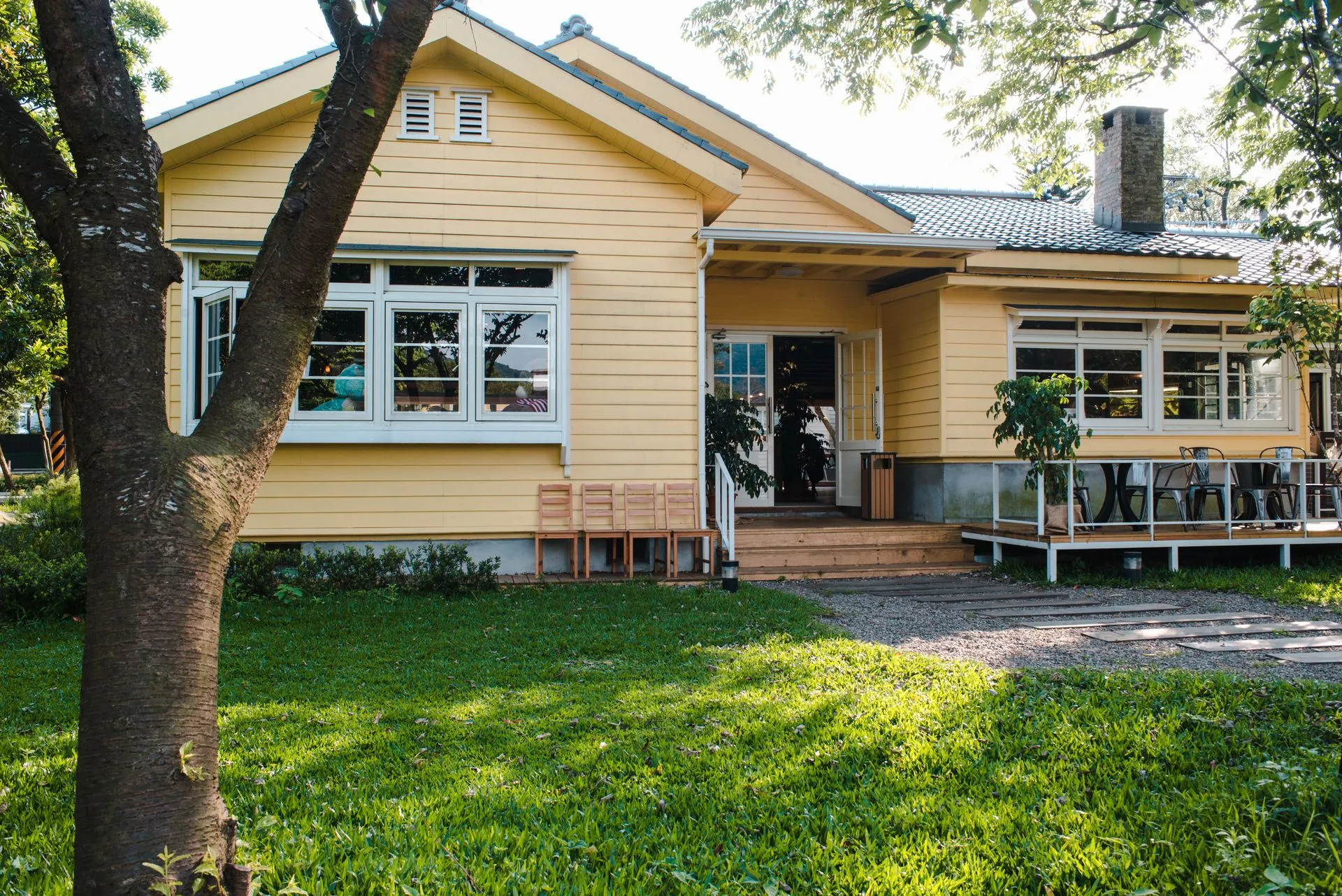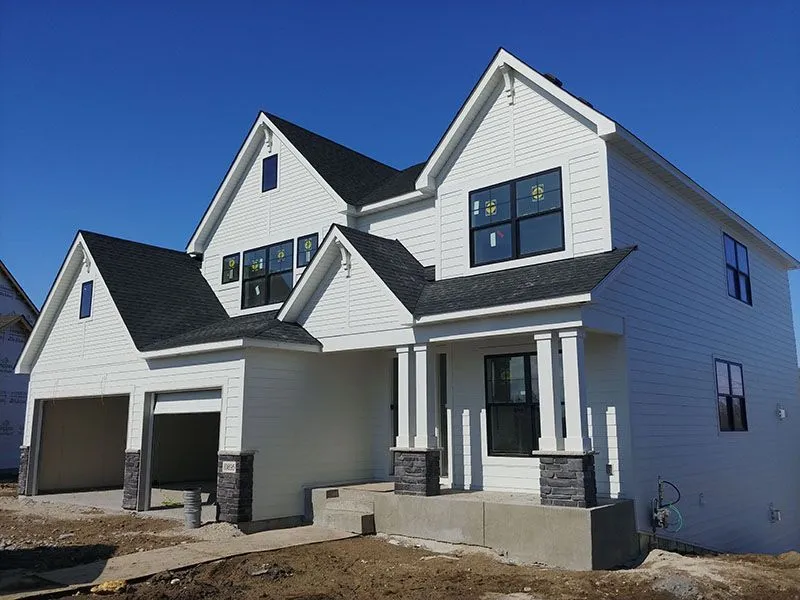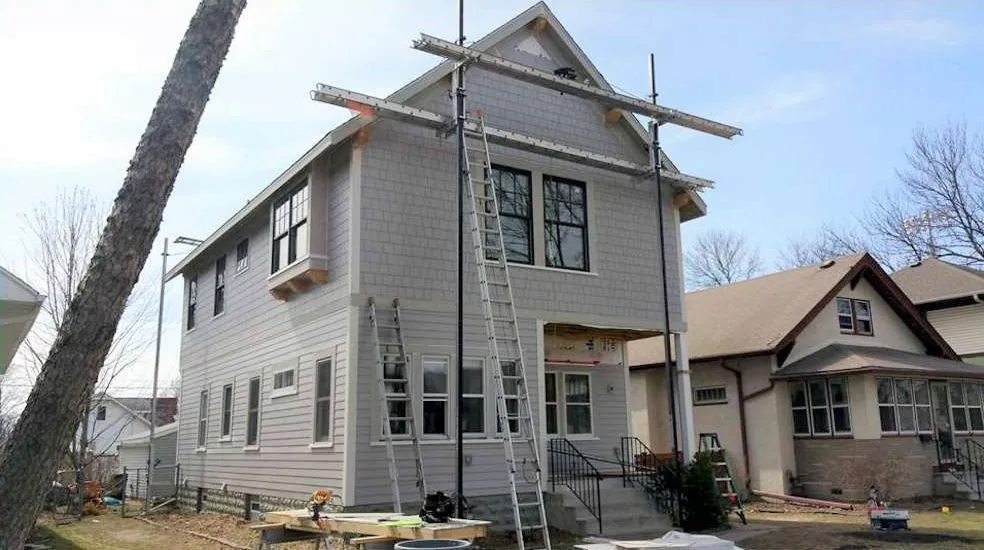

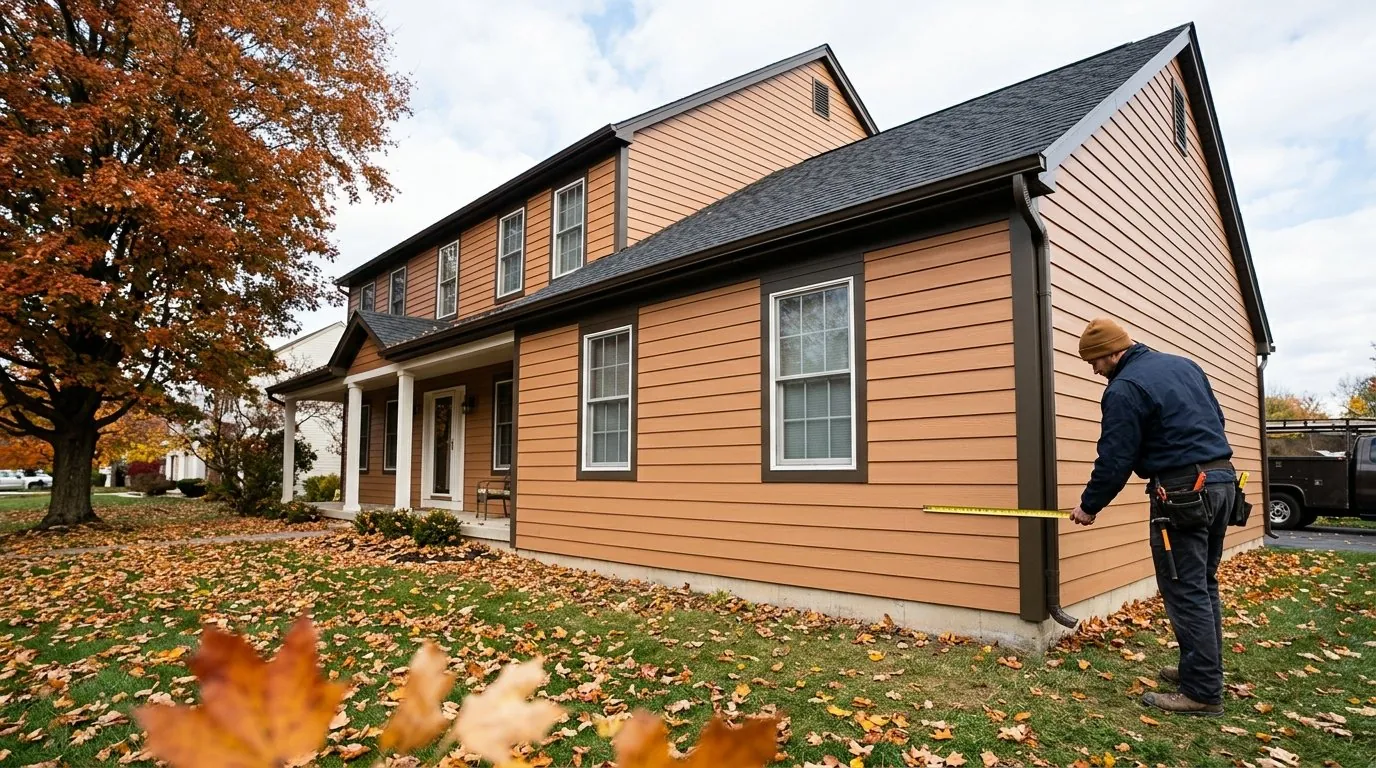
Warm modern siding colors are replacing the stark white-and-black "farmhouse" look with earthy taupes, clay tones, and dusty sage. If your Princeton home still wears that high-contrast palette, you're not behind, but you should know what's replacing it. This shift affects resale value, maintenance, and how well your exterior handles the region's climate.
Why the Stark Contrast Look Is Fading
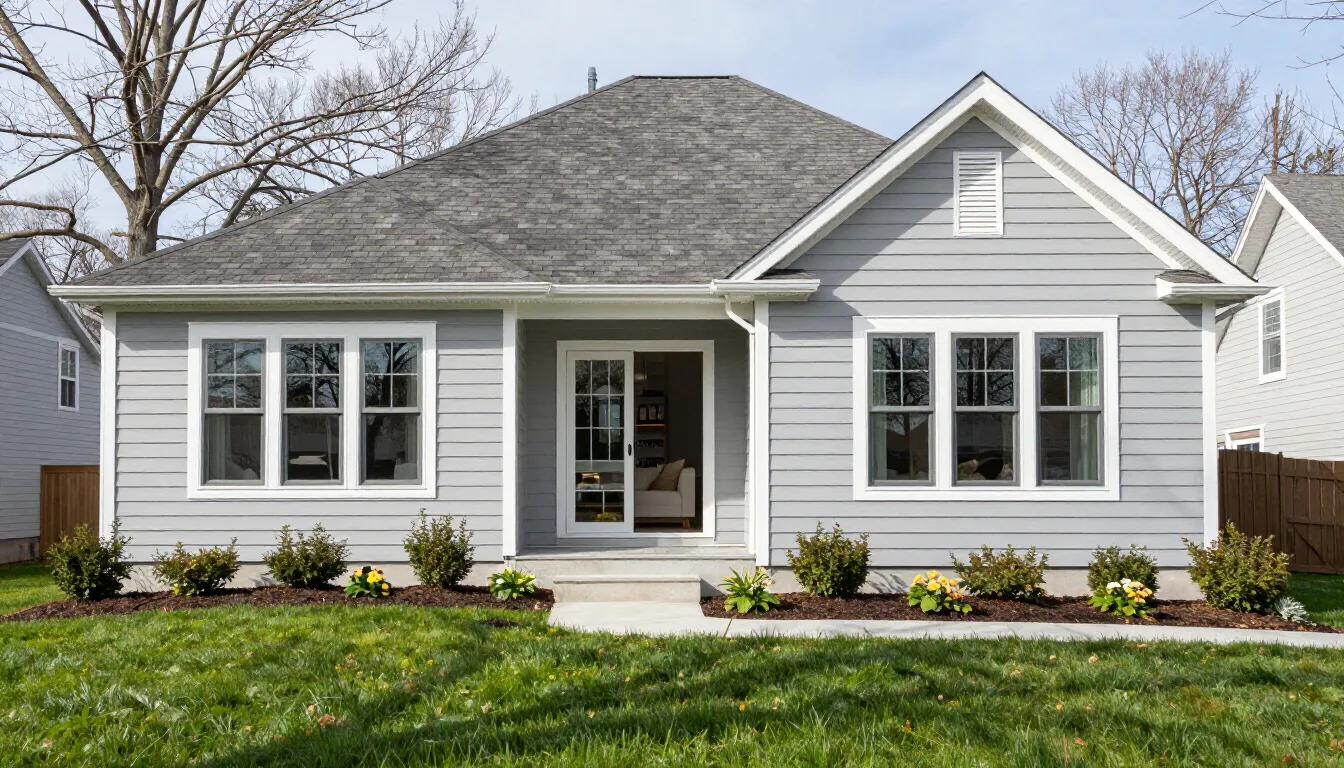
Bright white siding paired with jet-black trim dominated exterior design for years. It photographed well, but it showed dirt fast and clashed with mature landscaping. Princeton's pollen-heavy springs and humid summers make that pristine white nearly impossible to maintain year-round.
Homeowners are tired of pressure-washing every season just to keep the look intact. Earthy palettes hide seasonal grime far better than optic white ever could. That practicality, paired with a softer aesthetic, is why "Warm Modern" and "Modern Cottage" styles are taking over.
What Warm Modern Actually Means
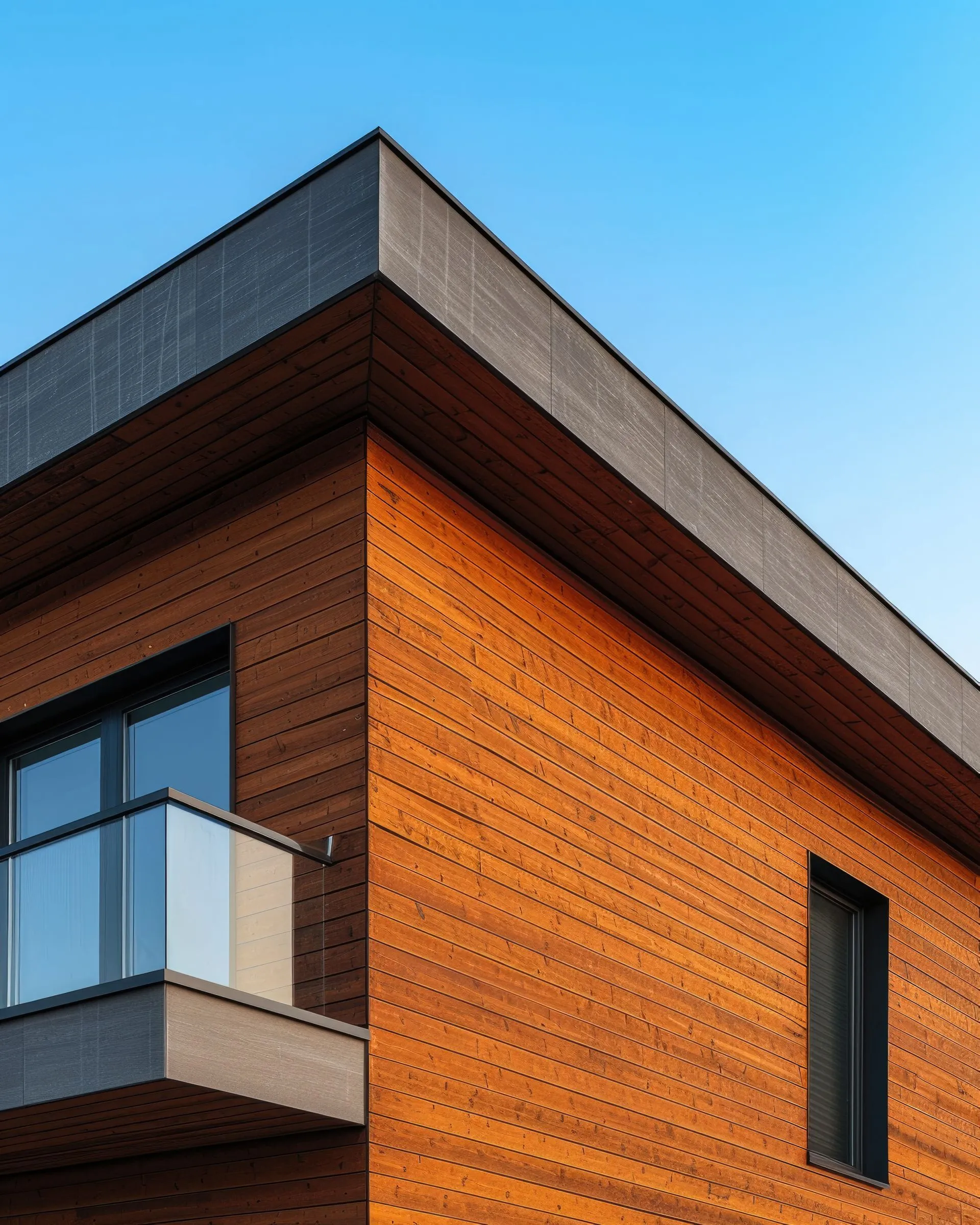
Warm modern siding leans into color depth rather than stark opposites. Harsh black trim on white siding is fading. Designers now favor deep charcoal, bronze, or warm dark brown accents against a base of clay, taupe, or olive. The result feels grounded and intentional, not sterile.
This approach also plays well with brick, stone, and existing landscaping common throughout the Twin Cities Metro area. It creates architectural depth without the jarring contrast that ages poorly. Homes end up looking timeless instead of trend-chasing.
The Rise of Wood-Look Fiber Cement
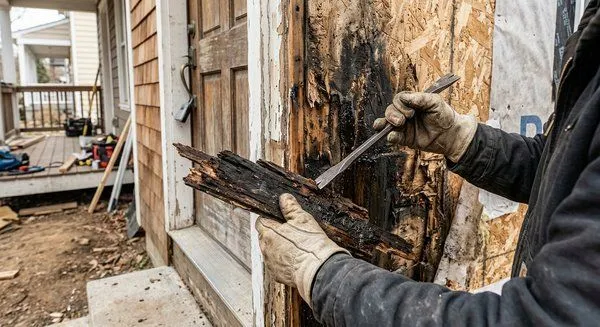
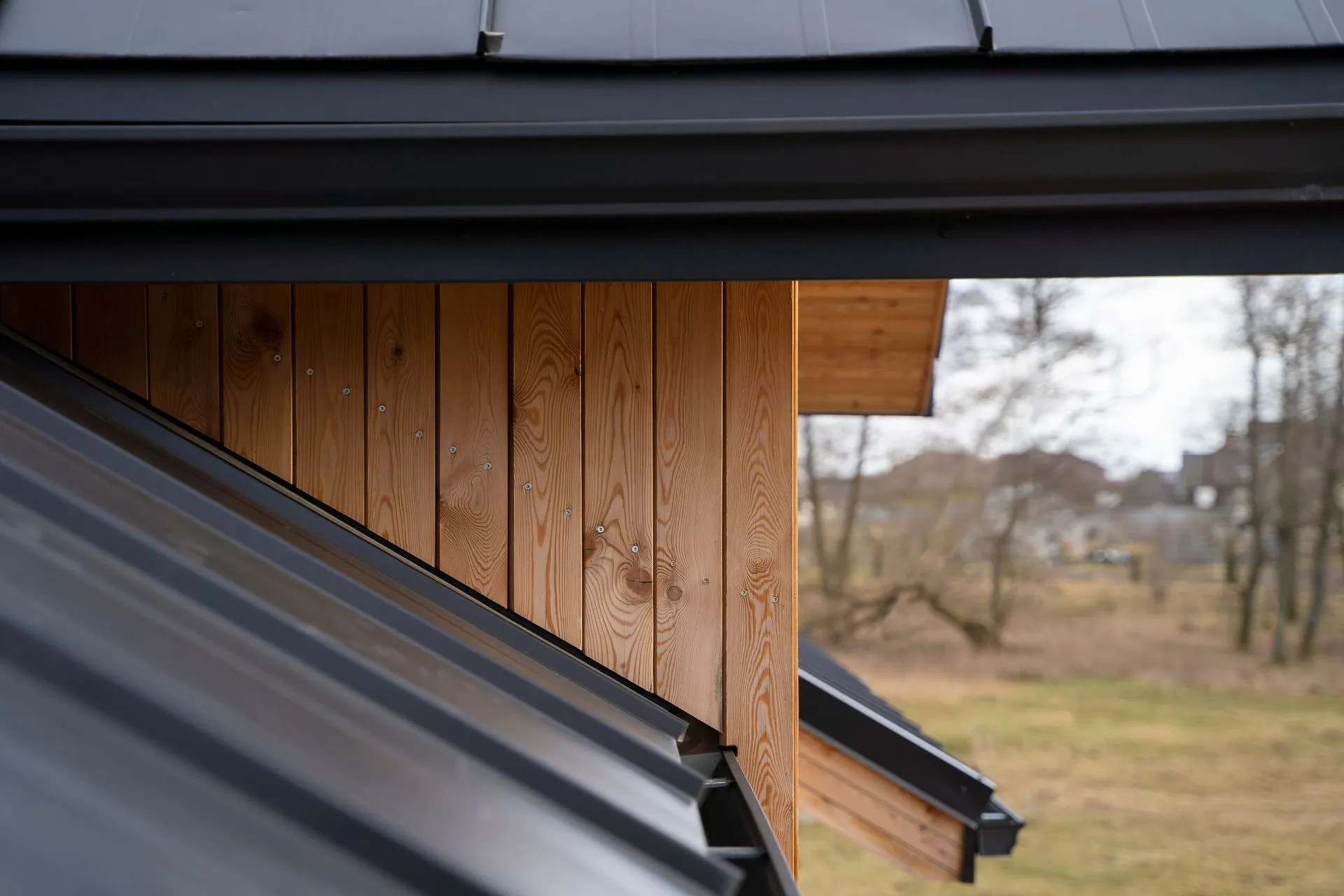
Real wood siding looks beautiful, but it demands constant upkeep and invites pest problems, something the region's older housing stock knows all too well. That's why wood-alternative fiber cement siding is surging in popularity right now. It captures the warmth and texture of real wood without the maintenance headaches or vulnerability to insects.
Fiber cement holds paint and factory finishes longer than wood. That's because it resists moisture-related warping and cracking, which cause early paint failure in traditional siding. For homeowners chasing that cozy, textured look, this material delivers it durably. If you're exploring warm modern siding colors for your next exterior project, fiber cement should be at the top of your list.
Choosing Colors That Age Gracefully
Not every earthy tone works on every home.
Consider these factors before committing to a palette:
- Roof color: Warm taupes and clay tones pair best with charcoal or dark brown roofing, not stark black.
- Sun exposure: South-facing walls fade faster, so richer, deeper tones may hold their pigment longer than pale ones.
- Existing masonry: Brick and stone accents look best against olive, sage, or clay siding rather than bright white.
- Trim contrast: Bronze or warm dark brown trim adds depth without the harshness of pure black.
Testing large sample boards on your actual exterior, in both morning and evening light, prevents costly surprises. Colors read differently under Princeton's overcast fall skies than they do in bright July sun.
Pairing Siding With Trim and Painting Choices
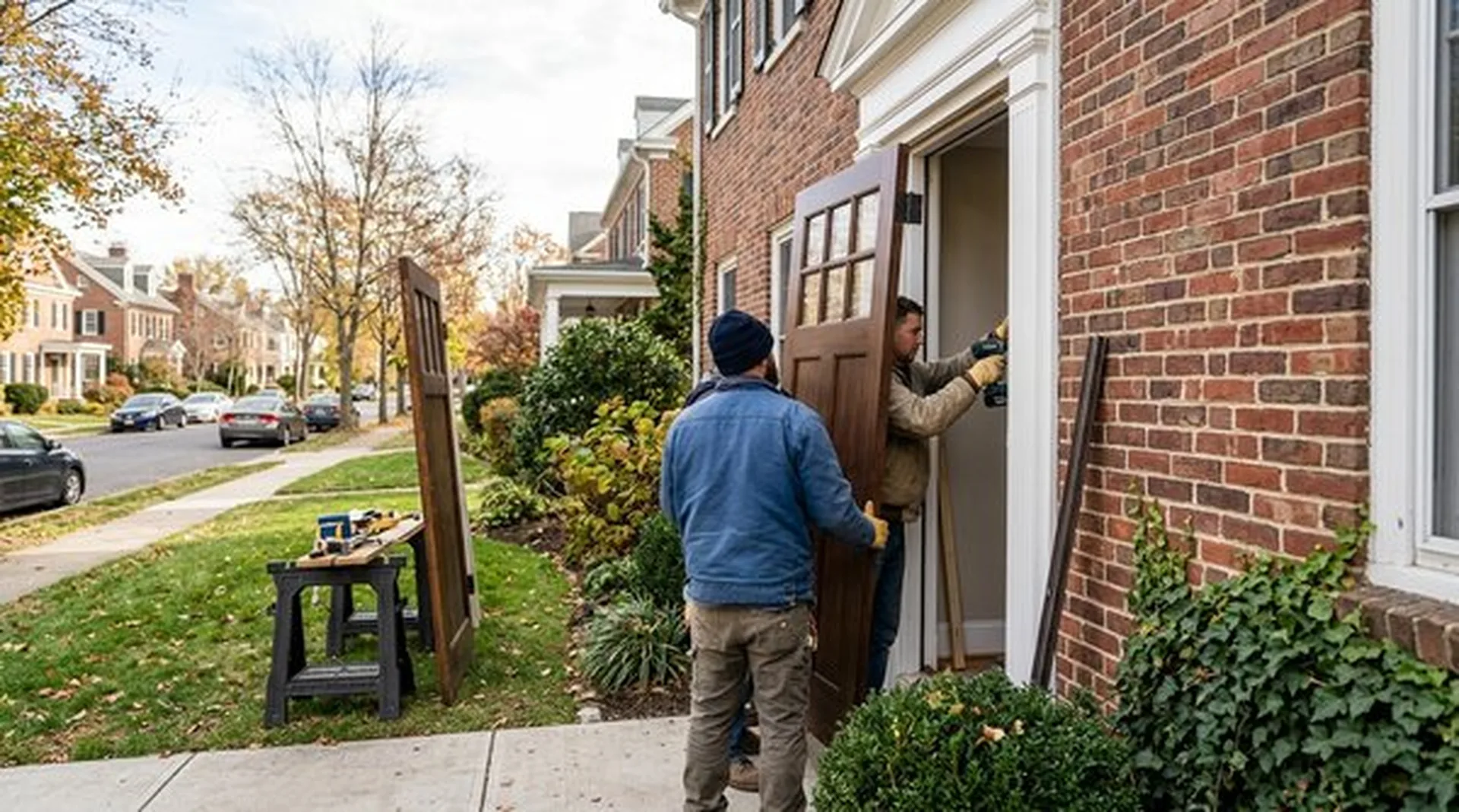
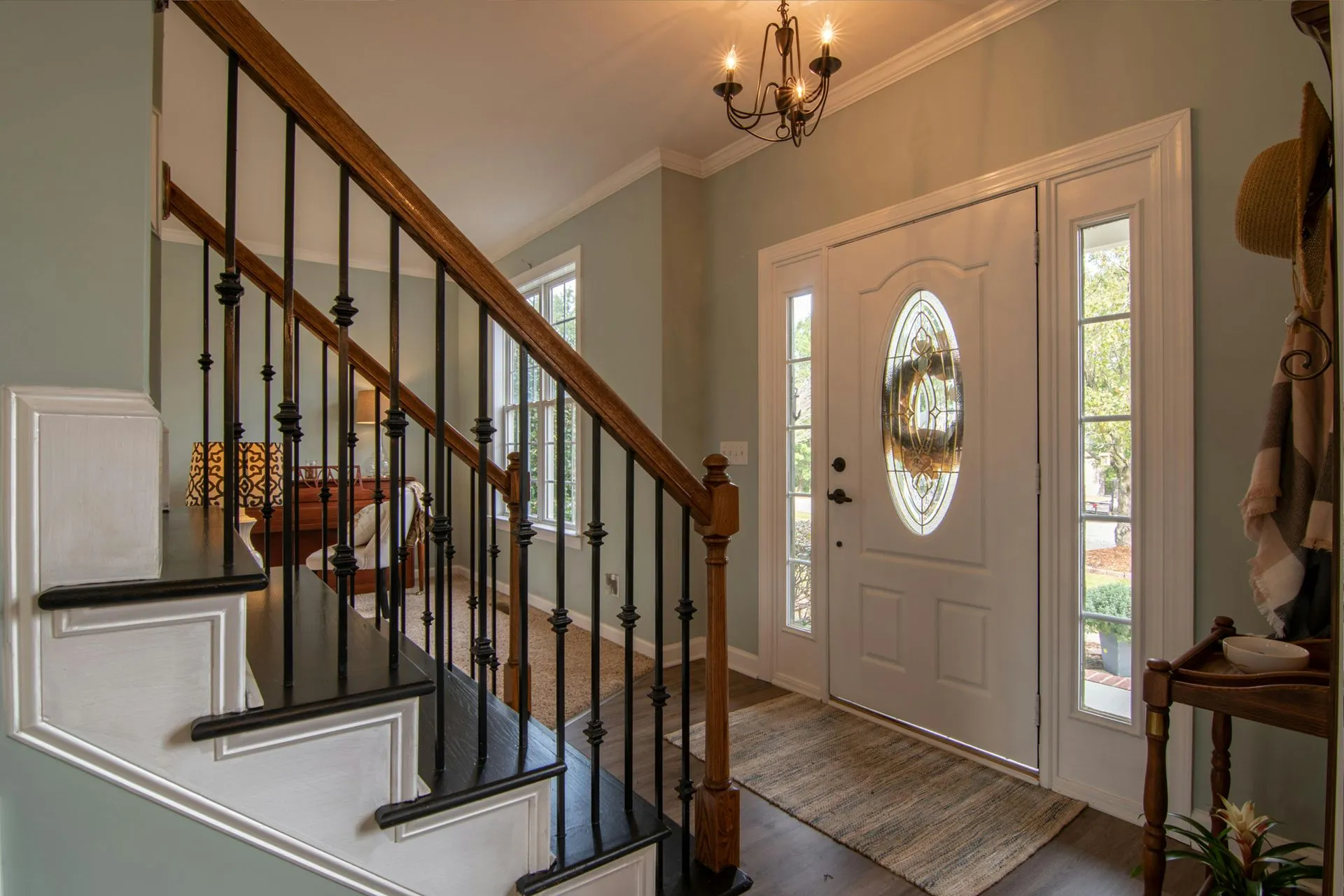
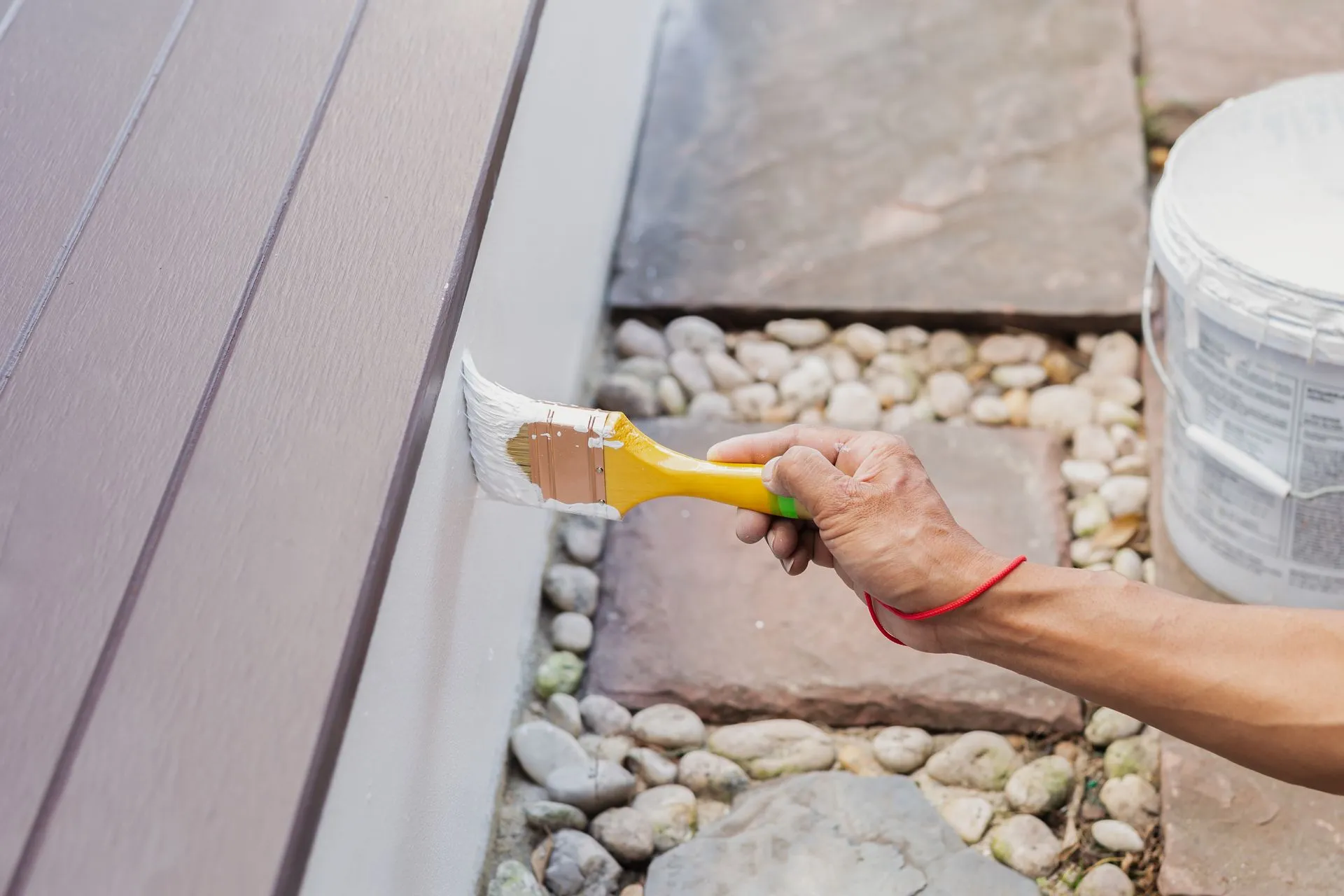
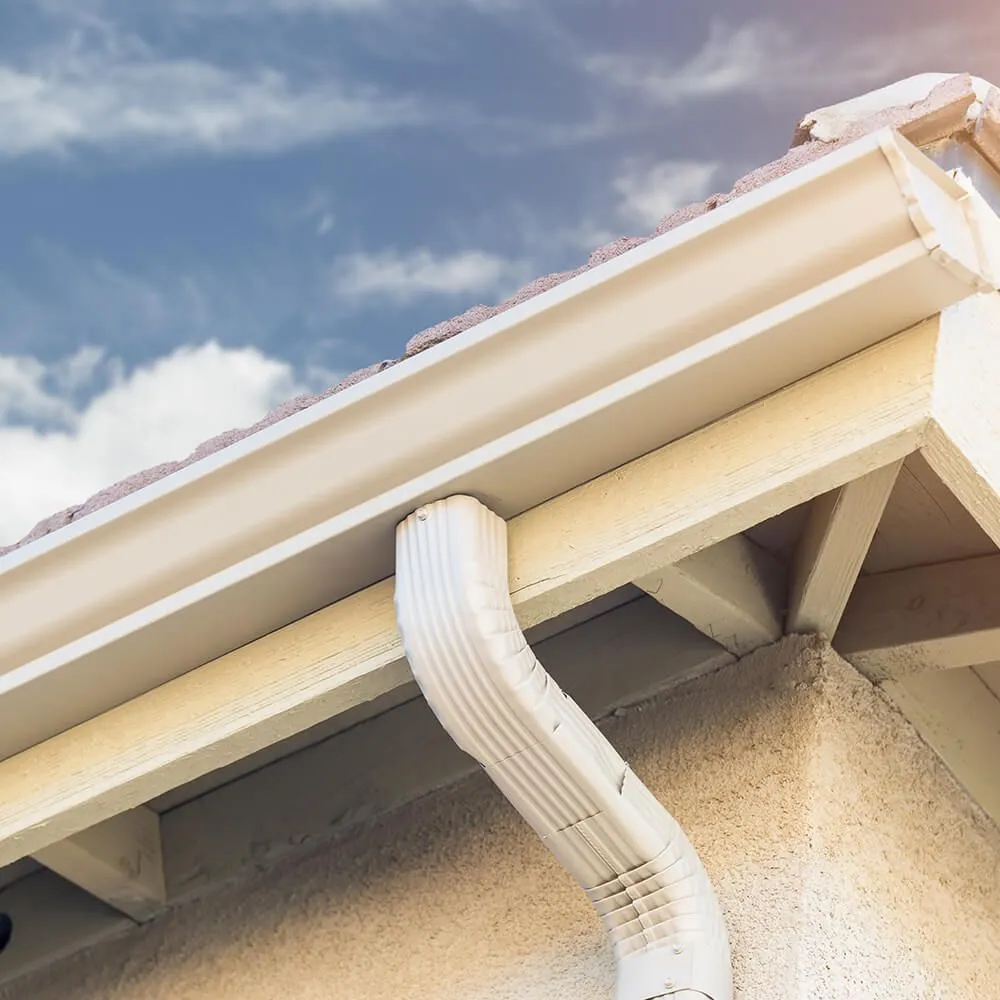
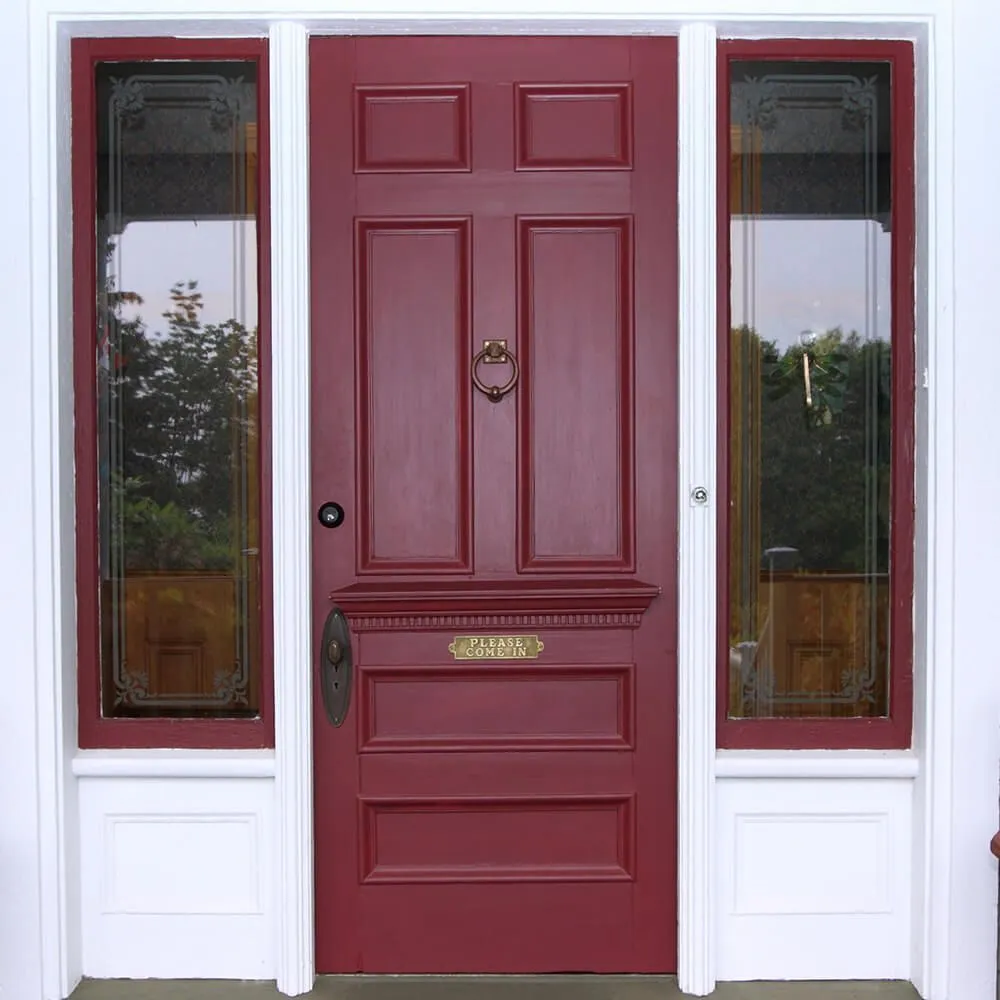
Color updates rarely stop at siding alone. Window and door trim, soffit and fascia trim, and exterior painting all need to harmonize with the new palette. A mismatched trim color can undo an otherwise well-planned exterior refresh.
Coordinating these elements during one project, rather than tackling them piecemeal, ensures a cohesive final look. It also reduces the chance of clashing tones that show up once scaffolding comes down. Many homeowners now pair siding replacement with updated trim work and fresh exterior painting in a single coordinated plan.
Why October Is a Smart Time to Plan This
Fall in the Twin Cities Metro area offers milder temperatures and more predictable weather than midsummer or midwinter. That makes October an ideal window for consultations, color selection, and material ordering before winter installation slots fill up. Planning now also means your project can begin as soon as conditions allow.
Homeowners who wait until spring often face longer lead times and rushed decisions. Getting ahead of the curve gives you room to test samples properly and finalize a palette you'll love for years.
Signs It Might Be Time for a Color Refresh
Not sure if your exterior needs a color update?
Watch for these signs:
- Siding looks dated compared to newer builds in your neighborhood.
- Bright white panels show persistent staining despite regular cleaning.
- Black trim feels harsh against your landscaping or roofline.
- You're planning to sell within the next few years and want broader buyer appeal.
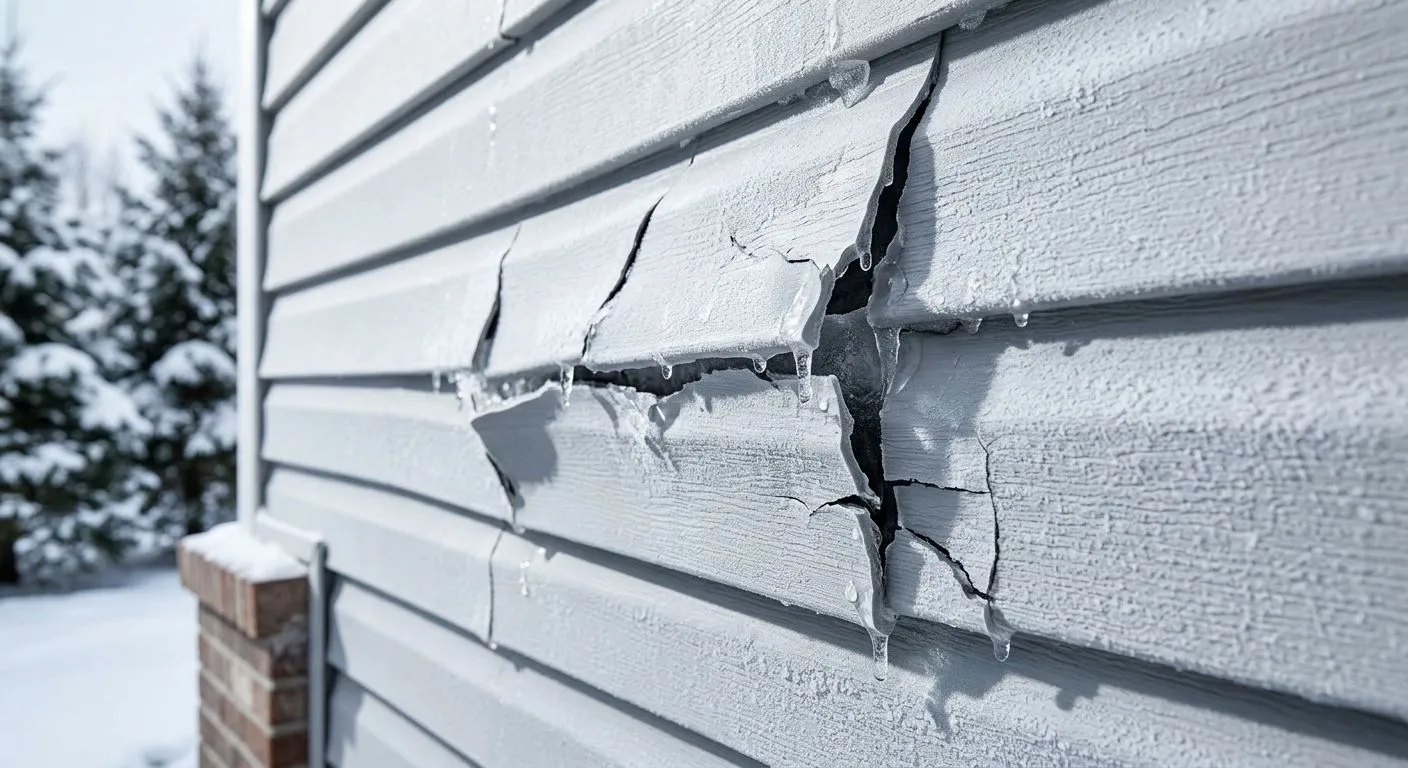
- Existing siding material is aging out and needs replacement anyway.
If two or more of these apply, it's worth exploring a warm modern refresh rather than a like-for-like replacement.
Getting the Details Right
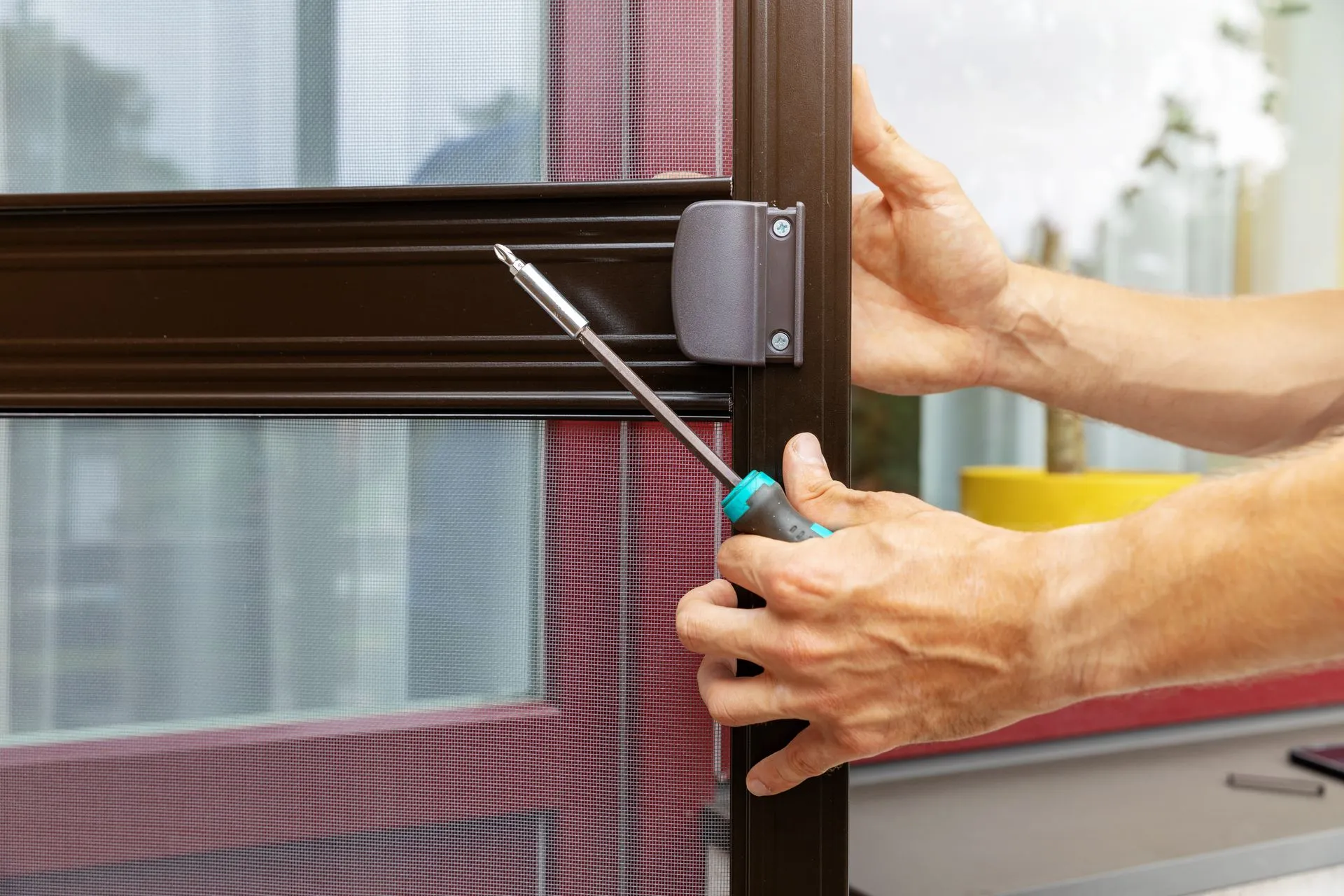
Color and material choice matter, but installation precision matters just as much. Homeowners consistently point to one thing: attention to detail. That means matching design plans exactly and catching hidden issues before they escalate. It's what separates a good exterior job from a great one. That kind of craftsmanship is what keeps a warm modern palette looking sharp for the long haul.
Pro Siders Inc has built its reputation on that same precision, working across siding, trim, and painting to deliver a cohesive exterior. Every detail, from flashing to final color match, gets the same level of care.
Frequently Asked Questions
Are warm modern siding colors more expensive than traditional white siding?
Pricing depends more on material choice, like fiber cement versus vinyl, than on color itself. Most manufacturers offer earthy tones at the same price point as classic white options.
Will a taupe or clay siding color clash with my existing brick?
Generally, no. Warm earthy tones tend to complement brick and stone better than stark white does, creating a more cohesive exterior overall.
Do I need to replace my trim if I update my siding color?
Not always, but coordinating trim and siding colors together produces the best visual result. A quick consultation can confirm whether your current trim still works with a new palette.
How long does fiber cement siding typically hold its color?
Fiber cement holds paint and factory finishes longer than traditional wood siding, largely because it resists moisture-related warping and cracking that cause paint to fail early.
Is fall a good time to start planning a siding color change?
Yes. October's milder weather makes it a practical time for consultations and material selection ahead of the next installation season.
Ready to explore a warm modern palette for your home? Reach out to Pro Siders Inc to talk through color options, materials, and timing for your project.